Better Marriage: Why Liking Matters More Than Love
Marriage has survived centuries of social change, yet it continues to puzzle us. Today, couples are more educated, more financially independent and more connected than ever before. We have unprecedented access to psychology, relationship experts and self-help literature, yet many marriages continue to struggle—not because two people stop loving one another, but because they quietly stop enjoying one another’s company.
This reflection begins with one important assumption. It concerns marriages between two fundamentally well-intentioned people who are both willing to remain accountable for their behaviour, respect one another’s dignity and continue growing together. It is not intended for relationships characterised by abuse, coercive control, violence or persistent manipulation, where safety and specialised intervention must always take precedence.
Within healthy relationships, however, one question deserves far greater attention than it currently receives. The greatest threat to a marriage is rarely the absence of love. It is the gradual loss of genuinely liking one another.
Love Versus Liking in a Better Marriage
For generations, marriage has been discussed almost entirely through the language of love. We ask whether couples still love each other, how romance can be rekindled or how intimacy can be restored. Yet love and liking perform different roles within a relationship. Love sustains commitment; liking sustains companionship.
It is liking that makes two people look forward to sharing a meal, laughing at the same joke, seeking each other’s opinion or simply enjoying each other’s presence. When liking quietly fades, marriages often continue to function, but they gradually lose their warmth.
Every marriage begins with liking. Before vows are exchanged, before responsibilities accumulate and before life’s inevitable challenges arrive, two people simply enjoy being together. Attraction captures our attention, but liking persuades us to imagine a shared future. Very few people marry someone they do not genuinely like. Then life reveals what attraction alone cannot.
How Everyday Life Tests a Better Marriage
Careers demand attention. Children reshape priorities. Financial pressures emerge. Families bring different expectations. Success, disappointment, illness and ageing gradually uncover two complete human beings rather than two carefully presented personalities.
Most good people do not intentionally become difficult spouses. More often, they react to life without fully understanding themselves or the person standing beside them. Behaviour is interpreted before it is understood. Silence is mistaken for indifference, criticism for rejection and emotional withdrawal for lack of love. Assumptions quietly replace curiosity.
While writing my forthcoming book, Better Marriage, I had the privilege of engaging in several thoughtful discussions with His Holiness Rajrajeshwar Guruji. Those conversations did not provide ready-made answers; instead, they challenged me to ask better questions. One question remained with me long after our discussions had ended: What does it truly mean to continue liking one’s spouse after years of marriage?
The more I reflected upon that question, the more I realised that perhaps liking had never been a trivial emotion. It may be one of the clearest indicators that a relationship has matured beyond attraction and entered the realm of conscious partnership. Attraction introduces two people to one another, but understanding determines whether they continue to enjoy each other’s presence.
The Kaalchakra of a Better Marriage
Sanatan Dharma has always encouraged us to observe life through cycles rather than straight lines. The Kaalchakra reminds us that everything emerges, evolves and ultimately returns to its source. Within this philosophy, Shiva symbolises completeness of consciousness. Reflecting upon this symbolism, I began to see a similar pattern within marriage. Marriage begins with pasand.
The first liking is largely unconscious. It is born of attraction, curiosity and possibility. Life then reveals fears, insecurities, habits, emotional needs and differences that attraction alone could never see. If two people remain willing to observe before judging, stay curious before becoming certain and seek understanding before demanding to be understood, marriage gradually returns to pasand once again.
Yet this is no longer the liking of first impressions. It is the conscious liking that grows after two people have witnessed one another’s imperfections, taken responsibility for their own behaviour and chosen understanding over assumption. Marriage, in its highest expression, completes its own Kaalchakra.
Relationship Intelligence and a Better Marriage
As I continued observing relationships across different cultural and professional settings, I realised that what many couples lacked was not love, but a practical language for understanding one another. That search eventually became the foundation of Relationship Intelligence—a practical framework that integrates timeless philosophical wisdom with contemporary behavioural understanding.
Rather than asking couples merely to communicate better, it encourages them to observe more deeply, become curious before drawing conclusions and develop the maturity to understand another person’s reality without abandoning their own. Equally important, Relationship Intelligence never presents understanding as a substitute for accountability. In healthy marriages, both partners must grow together. Understanding without accountability becomes enabling; accountability without understanding becomes punishment. Lasting relationships require both.
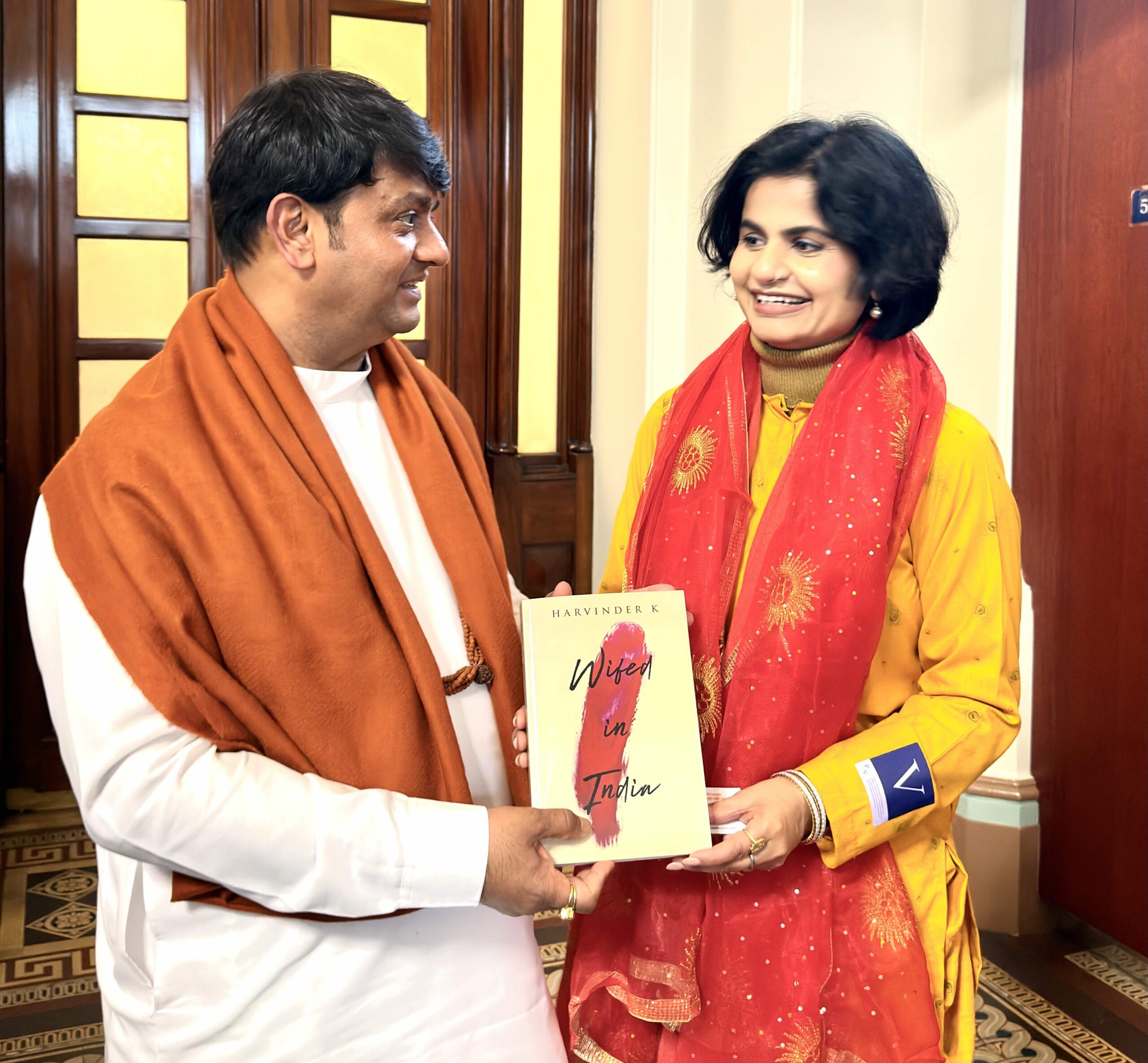
My first book, Wifed in India, explored these ideas through the lived experiences of marriage within the Indian cultural context, examining how tradition, identity and changing expectations influence relationships. The conversations it generated convinced me that people were searching for more than relationship advice. They were searching for a deeper way of understanding one another.
Research from the Gottman Institute similarly highlights that friendship and mutual respect are among the strongest predictors of lasting marriages. You can explore more reflections like this on our Siddhashram blog.
What a Better Marriage Truly Means
My forthcoming book, Better Marriage, extends that journey by presenting Relationship Intelligence as a practical framework for modern relationships. It explores how two good people can navigate differences without losing respect, preserve individuality without sacrificing connection and rediscover genuine liking through conscious understanding.
A better marriage is not one without conflict, nor is it one in which one partner silently endures or sacrifices themselves for the other. It is one in which two well-intentioned people remain equally committed to understanding one another, taking responsibility for their own behaviour, respecting healthy boundaries and continuing to grow together. Perhaps that has been marriage’s invitation all along. It begins with liking.
Life gradually reveals who we truly are. Understanding gives that liking the opportunity to return—not as infatuation, but as conscious appreciation. When two people can look at one another after years of ordinary life and sincerely say, “I know you far better today than when we first met, and I genuinely like the person you have become,” marriage has not merely endured. It has evolved. Perhaps that is what a better marriage truly means.
by Siya – Australia.