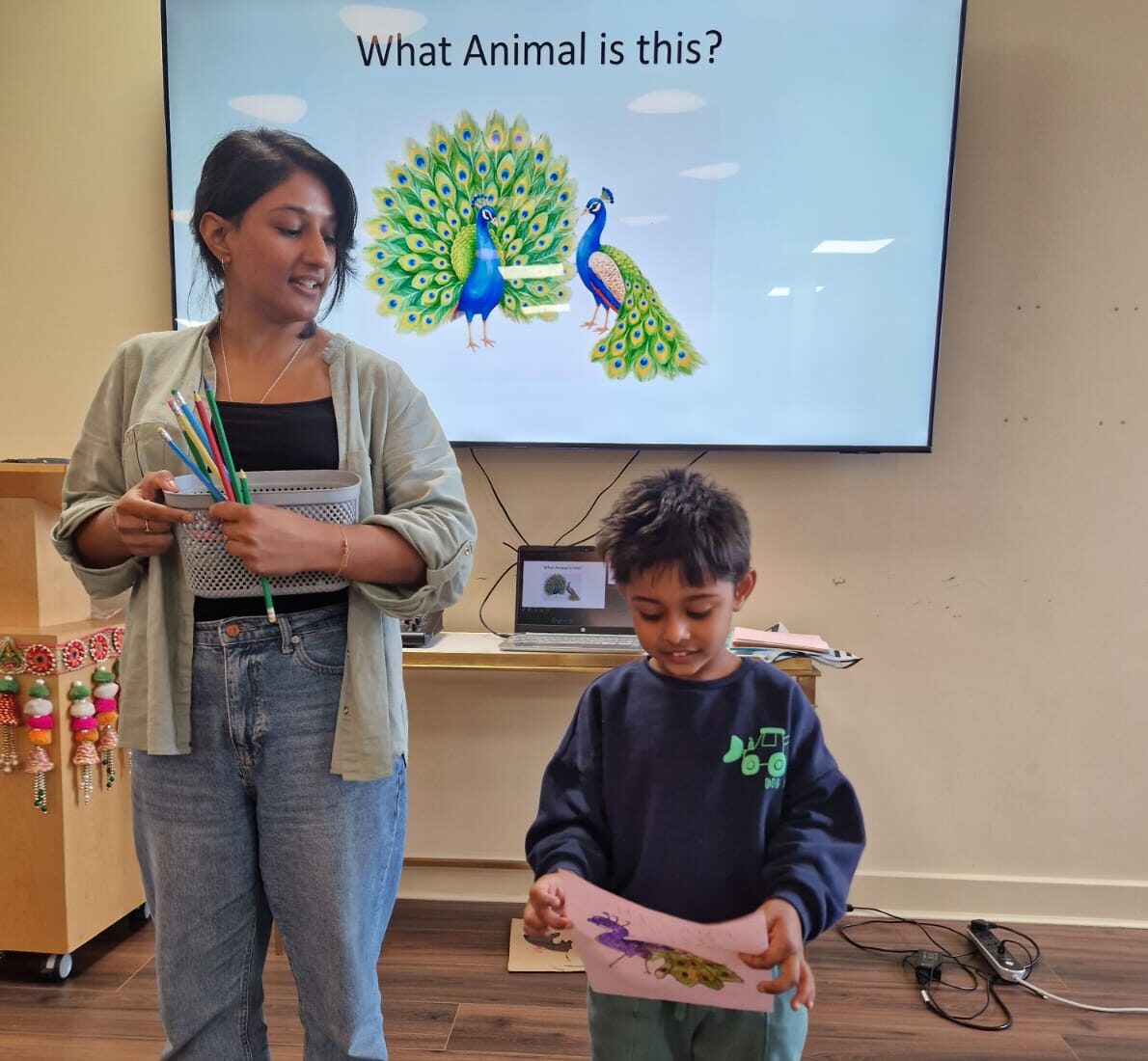
Here are five simple, budget-friendly ways to spark your imagination, reuse things you already have at home and reconnect with the joy of creating.
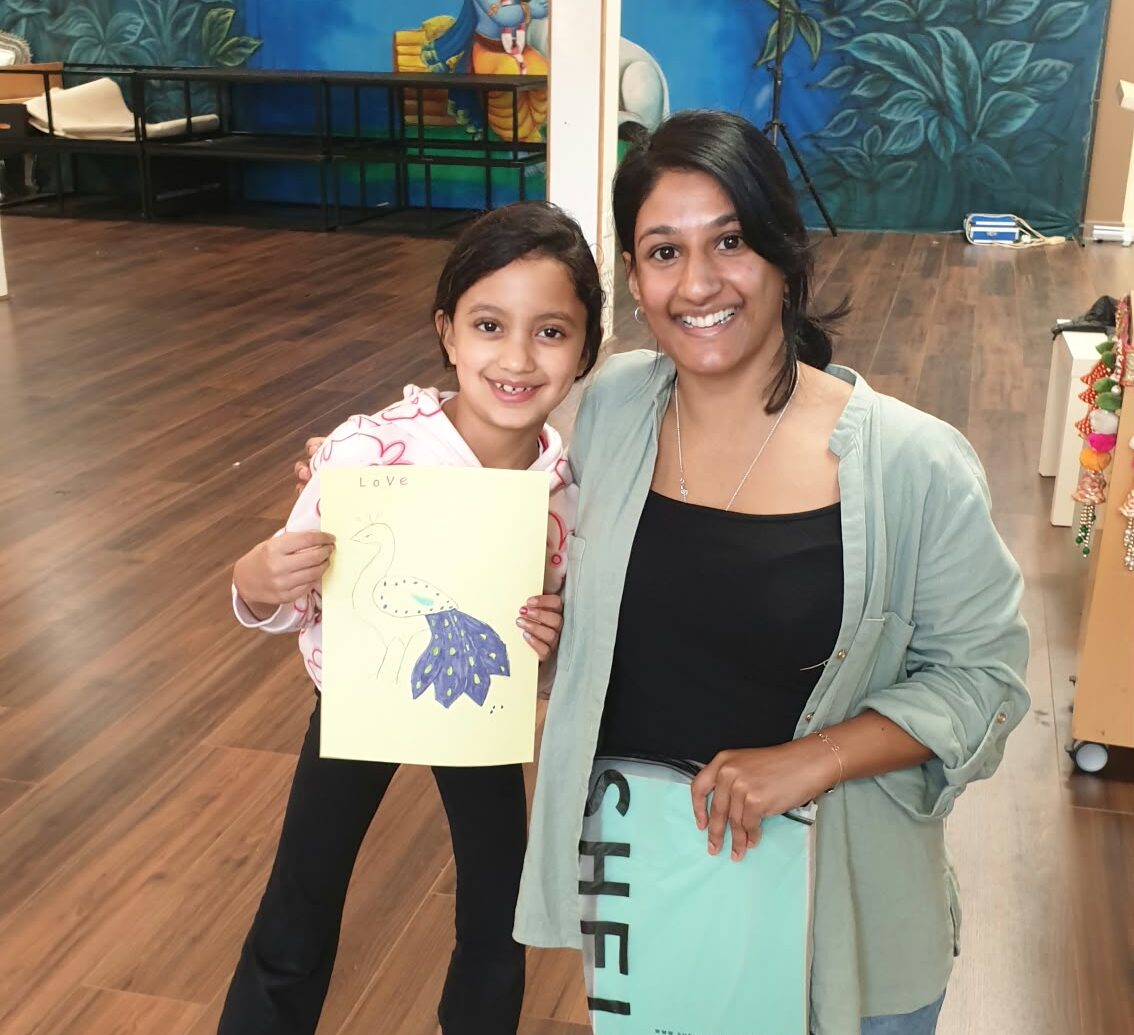
Money, Mental Health & Creative Expression
The stress of money, or not having enough, can have an impact on our mental health. Financial anxiety has been known to be linked to higher rates of depression, chronic stress, and sleep disruption. There are many pressures people face, such as, paying bills, the need to ‘succeed’, or survive from week to week to meet ends meet, and feel like they then have no time, energy, or space for creativity, or joy.
The irony is, while many people need creativity to restore balance in their lives, financial stress can often push creativity and joy at the bottom of the priority list. Making space for creativity can be an act of resistance, but it’s important to try and remember that, joy, and self-compassion are a part of healing, and an integral part of our lives. Without conscious effort, accountability, and integration, we could be delaying our healing journey and making those small steps towards improving our mental health.
The Common Misconception
There is a common misconception about creative practice, and how many believe that it requires expensive materials, classes, or studio time. But, the truth is; creativity lives in our everyday lives. You can paint with leftovers from the stationery drawer, doodle smiley faces on a piece of paper, journal with a notebook from the discount shelf, dance at home with your favourite playlist, or explore nature where your inner compass guides the way.
For me, I always say, creativity is universal energy, and an accessible tool for healing. All you need is a bit of curiosity, and willingness to try something new, not necessarily to be “good at it.” This opens the door for EVERYONE, regardless of income, background, age, or ability, to access the incredible mental health benefits that creativity has to offer.
Here are 5 Cost-Effective Ways to Get Creative at Home:
- Turn an old shoebox into a stencil
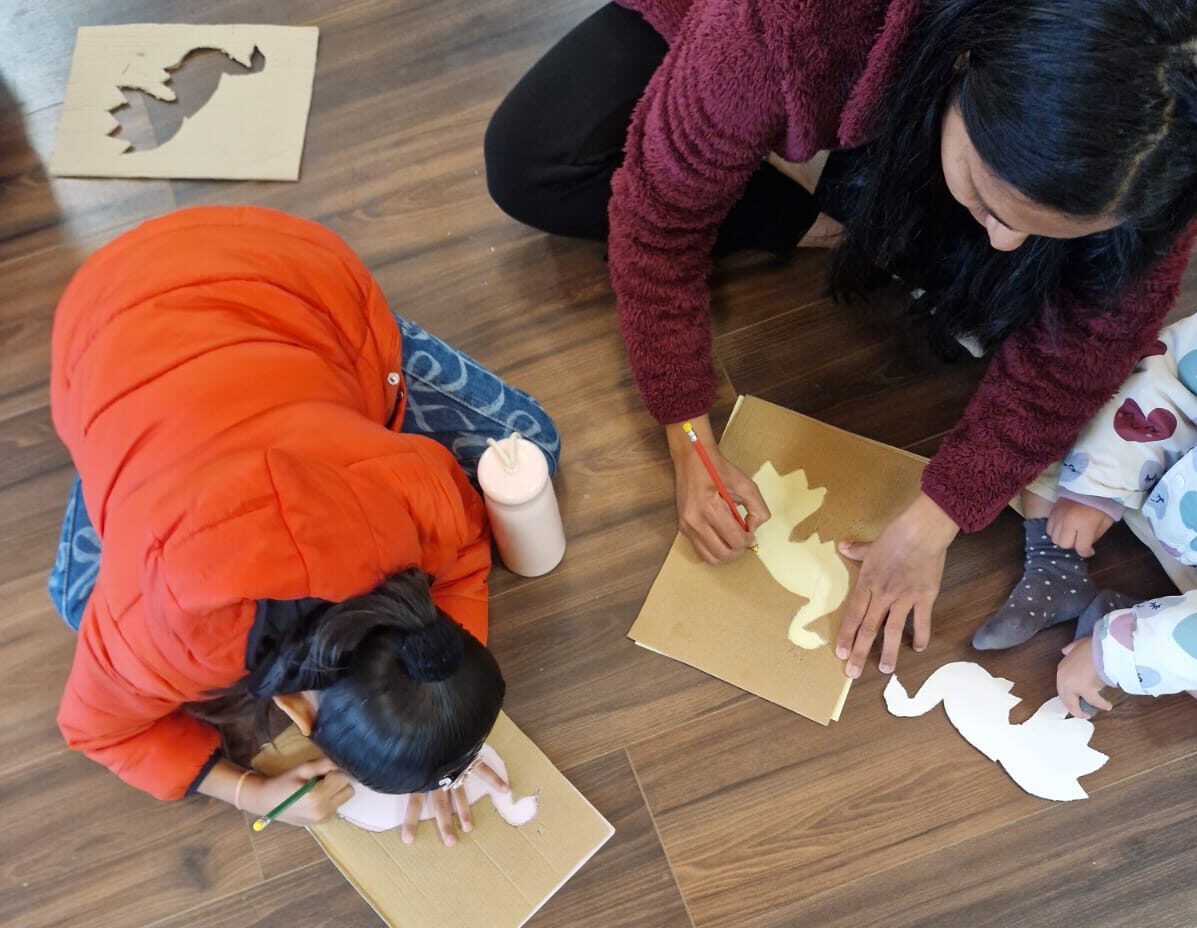
Before throwing away that old shoebox, think about what it could become. With a little cutting, folding, drawing and decorating, you could transform it into a stencil, miniature house, a rocket ship ready for take-off, a puppet theatre or even a tiny city.
Try this: Flatten parts of the box to make your own reusable stencils for greeting cards. Add leftover wrapping paper, old magazines or coloured pens to bring your creation to life.
Why it’s fun: It encourages imaginative thinking and reminds us that we don’t always need something new to create something wonderful.
- Make a masterpiece with kitchen sponges:
You might already have everything you need sitting in your kitchen cupboard. An ordinary sponge can become a brilliant painting tool when you cut it into circles, triangles, stars or other simple shapes.
Try this: Dip your sponge shapes into a little paint and dab them onto paper or a canvas. Layer different colours, overlap shapes, create patterns or experiment with abstract art. You could even use the same technique to decorate handmade cards or gift wrap.
Why it’s fun: There are no rules about what your painting should look like. Experiment, play and see what happens. Just remember to use clean, spare sponges rather than ones that have been used with cleaning chemicals.
- Give old magazines a colourful second life:
Old magazines, junk mail, packaging and leftover wrapping paper can be full of colours, textures, patterns and interesting words just waiting to be reused.
Try this: Cut out pictures, letters and shapes, then arrange them into a collage. You could create a vision board, a colourful piece of wall art, a personalised birthday card or even a page of things that bring you joy.
Why it’s fun: Collage is a lovely way to explore your ideas without needing to draw or paint. You can move everything around until it feels right, and there’s no such thing as getting it wrong.
- Bring the outdoors into your artwork:
Nature offers plenty of free materials to inspire your creativity. Fallen leaves, twigs, petals and interesting textures can all become part of an art project.
Try this: Collect a few fallen leaves, brush a little paint onto their surfaces and press them onto paper to reveal their patterns. Arrange twigs into a picture frame, create a nature-inspired collage or use leaf prints to make unique greeting cards.
Why it’s fun: It gives you a reason to slow down, notice the little details around you and find inspiration in places you might normally walk past. Stick to fallen natural materials and leave living plants undamaged.
- Transform an empty jar into something beautiful:
Before recycling your next empty jar, consider whether it could have a new purpose. Glass jars, cardboard tubes and other clean packaging can become practical and decorative creations.
Try this: Decorate a clean jar with scraps of ribbon, string, paper or paint to make a pencil holder, a pot for paintbrushes or a container for your craft supplies. You could also turn it into a joy jar, filling it with little notes about things that make you smile or creative activities you’d like to try.
Why it’s fun: It combines creativity with a little everyday usefulness, showing that making something can be enjoyable as well as practical.
Creativity in Professional Care: Evidence in Practice
Creativity is powerful, and is being integrated into healthcare settings around the world. Hospitals, rehabilitation centres, and care homes are increasingly incorporating art therapy, creative writing groups, music, and movement programmes because they are being proven to improve mood, cognitive function, and social connection.
For example:
✔️ Art therapy in medical settings has been shown to reduce pain perception and anxiety in patients undergoing treatment.
✔️ Group creative activities support social connection and reduce feelings of isolation in long-term care environments.
These professional applications reflect what many of us already know deep down: creativity is the foundation to improving our mental health.
Creativity is not a reward; it’s a human right.
Accessible, joyful, healing, creativity is a tool we all carry within us. And together, we can unlock its power for wellbeing, resilience, and connection. I hope we can encourage more people and Governments to invest funding into the arts and creative communities, so that we can continue to support everyone.
-Nesha Mistry.